
Why multi‑chain wallets finally feel like the missing piece for real Web3 usability
Okay, so check this out—I’ve been messing with wallets for years. Wow! The early days were clunky and confusing and honestly kind of exhausting. At first I thought more chains meant more flexibility, but then realized it mostly meant more friction for users and more attack surface for developers. On one hand the promise of unified access to assets across networks is thrilling, though actually building something that feels seamless is deceptively hard.
Seriously? Yes. My instinct said the UX problems would be solved by time, but reality moved slower. Initially I assumed bridging and chaining would just get patched together by better dApp UX. Actually, wait—let me rephrase that: UX improved, sure, but the underlying wallet model needed a rethink. Something felt off about expecting users to manually switch networks, manage dozens of custom RPCs, and interpret cryptic gas estimates while trading or staking.
Here’s the thing. Multi‑chain wallets that work well do three things right: they simulate transactions reliably, they isolate approvals with granular controls, and they integrate with dApps in a way that hides complexity without sacrificing security. Hmm… that sounds simple when I say it, but it requires careful architecture and sane UX tradeoffs. My experience using a few of these wallets (and breaking some in testnets, not proud) taught me where people stumble and where wallets should carry the load for users.
Let’s walk through the problems and better patterns. Whoa! I want to be practical, not preachy. On a technical level, the main headaches are network fragmentation, approval sprawl, and unpredictable fees. On the human level, people panic when a transaction fails or when a dApp asks for blanket access to funds. Both are solvable, though solutions demand both engineering and design rigor.
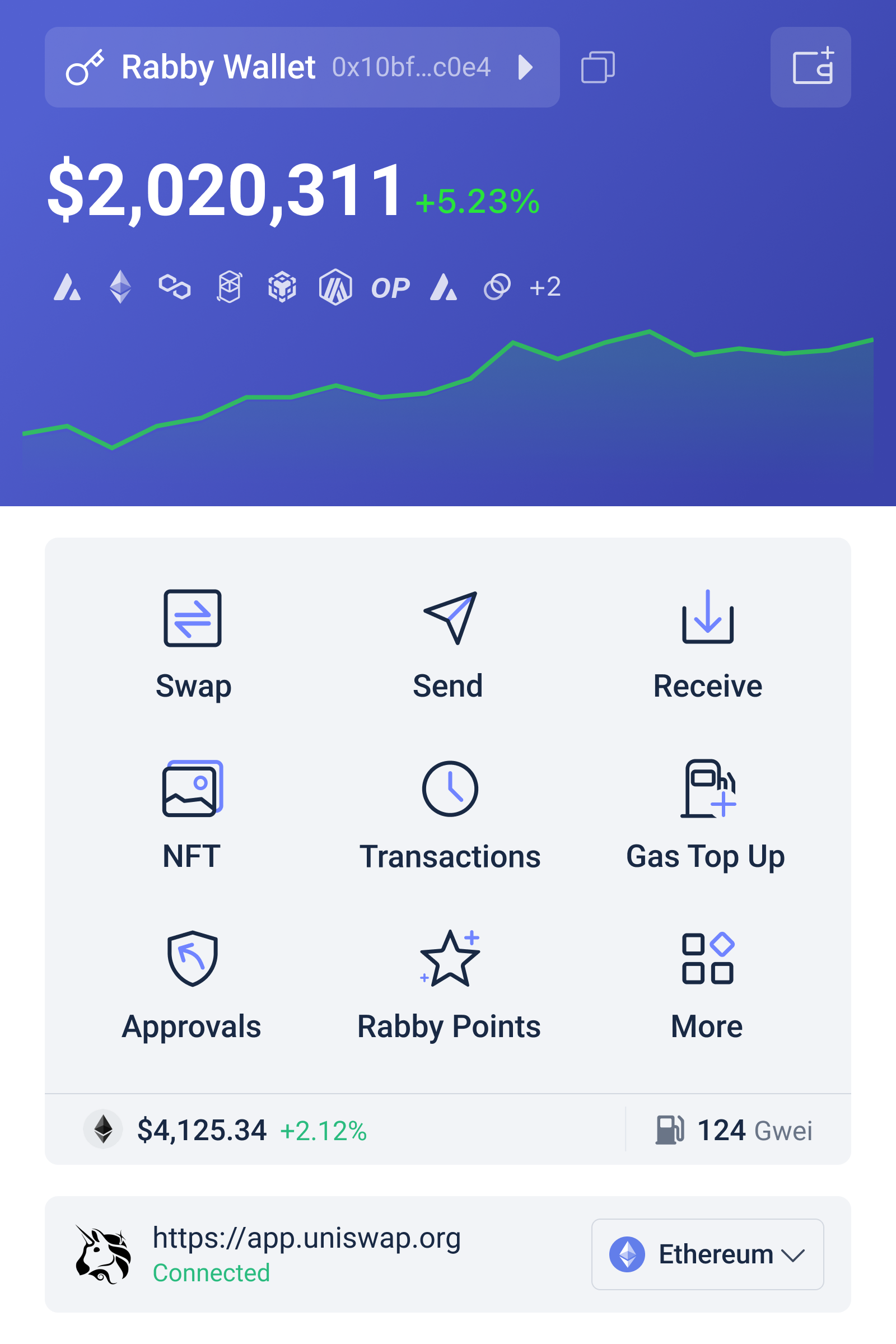
Problem one: network hopping. Short answer: it’s annoying. Medium answer: switching networks breaks session state, invalidates contracts addresses, and confuses users who don’t know why transactions fail. Longer thought: when a wallet auto‑switches for a dApp it can feel magical, but that magic must be transparent and reversible, because auto‑switches can also be exploited or lead to accidental approvals on the wrong chain if not handled carefully.
Problem two: approvals and permission fatigue. Really? Yes. Users click «approve» too fast. On the other hand, too many safety checks lead to friction and lost conversions. There is a balance. Modern wallets that get this right provide simulation + contextual prompts so a user understands what a signature does before they sign it, which reduces blind approvals and limits damage from malicious contracts.
Problem three: gas and simulation. Hmm… Gas is unpredictable across chains. Medium explanations: simulators estimate failures, front‑run risks, and fee ranges; but to be useful they must be fast and readable. Longer thought: a wallet that simulates not just the call but the whole user journey — including token conversion, slippage, and intermediate contract calls — turns a black box into a map, and that map is what lets people act confidently.
A better pattern: wallet does the heavy lifting
I’m biased, but the right multi‑chain wallet model acts like a concierge. Whoa! It proposes the network, simulates the tx, and highlights approval scope. Medium: it offers clear defaults while letting power users drill in. Long: by defaulting to least privilege approvals, surfacing expected gas in plain language, and giving users a timeline of pending operations, the wallet reduces cognitive load and makes cross‑chain dApps feel like native apps rather than a ledger of cryptic transactions.
Okay, I want to call out a real example I started using recently. Wow! The interface gave me a simulation before I hit confirm, showing which call might revert and why. I’m not 100% sure of their backend, but the visible result was that I avoided a failed bridge tx that would’ve cost me a chunk in gas. I also appreciated a clear way to revoke long‑term approvals later—something that bugs me about most wallets.
For readers looking for a practical place to try this out, consider exploring rabby wallet. Short and honest: I prefer wallets that make transaction intent explicit and provide chain‑aware tooling. Medium: rabby wallet’s approach to transaction simulation and dApp integration felt like it lowered my error rate and helped me think through approval scopes. Longer thought: trying one wallet doesn’t solve all problems, but it shows how design choices change behavior, and that matters when you’re moving real funds.
Now let’s dig into the developer side—because dApp integration is where the rubber meets the road. Hmm… Developers often assume wallets are dumb pipes, but modern wallets are opinionated. They intercept RPC calls, provide meta‑transactions, and can act as safety layers. On one hand, that means tighter coupling between wallet and dApp for a better UX; on the other, it raises compatibility and standardization questions that the ecosystem needs to answer.
Here are practical integration patterns I’ve seen work. Whoa! First, use a clear intent object when requesting signatures: include the human text explanation, the raw call data, and a simulation snapshot. Medium: expose optional gas and slippage overrides so advanced users can tune behavior. Long: build your dApp so it’s network‑agnostic at the UI layer and delegates network selection to the wallet when sensible; this way the wallet can handle RPC detail while the dApp maintains business logic.
Another good practice: limit and contextualize approval requests. Seriously? Yes. If your dApp asks for token allowance, explain why and suggest a minimal allowance. Medium: offer a single‑use signature alternative when possible. Longer thought: combining minimal allowances with a wallet‑side tool to automate revocation after a set time gives users a safety net, which increases trust and retention.
Security aside, multi‑chain wallets that integrate smoothly create opportunities for composability. Hmm… Think about cross‑chain swaps that are coordinated by a single UX, or yield aggregators that move assets across L2s without forcing users to juggle multiple accounts. Medium: these experiences are emergent and require the wallet to orchestrate many moving parts. Long: the better the wallet’s simulation and transaction management, the more sophisticated the dApp flows you can safely offer to mainstream users.
I’m not claiming these solutions are perfect. I still see edge cases where relayer trust, MEV, or unexpected contract behavior slips through. I’m also not 100% sure how regulation will shape account abstraction or custodial hybrids in the next few years. What I do know is that better simulation, clearer approvals, and thoughtful dApp integration are tangible, implementable improvements that materially lower risk for users.
FAQ
How does transaction simulation actually help me?
Simulation previews the result of your action without broadcasting it, so you can see potential failures, estimated fees, and affected balances. Short: it reduces surprises. Medium: it helps you avoid wasted gas. Longer: with a good simulator the wallet can show which internal calls might revert and why, and that context often makes the difference between a confident confirm and an accidental loss.
Won’t auto‑switching networks confuse users?
Auto‑switching can be great when done transparently—when the wallet notifies the user and gives an easy way to revert. Seriously? Yes. Medium: always show the reason and give the user a brief option to opt out. Long: hide complexity where it helps, but never hide the consequences, because once trust is broken it’s very hard to get back.
Are multi‑chain wallets safe for large holdings?
Depends. No single tool is a silver bullet. Short: use hardware accounts for very large sums. Medium: prefer wallets that emphasize least‑privilege approvals, clear simulations, and easy revocation. Longer: combine layered defenses—cold storage, hardware signers, and a user‑friendly multi‑chain wallet for daily ops—to get both safety and usability.


Deja una respuesta